
Most life on Earth is intrinsically tied to the sun. We are taught from a young age that sunlight is the primary engine of growth, fueling the plants that form the base of our food chain. However, tucked away in climate-controlled darkness, the White Button mushroom (Agaricus bisporus) thrives by breaking every rule of the garden. These common culinary staples are biological rebels that have swapped the energy of the sun for the power of decomposition.
To produce these mushrooms at scale, commercial growers have perfected a form of underground alchemy, mimicking the damp, cool atmosphere of caves or dark subterranean environments to coax life from the shadows.
They Are "Anti-Plants" (Saprotrophic Fungi)
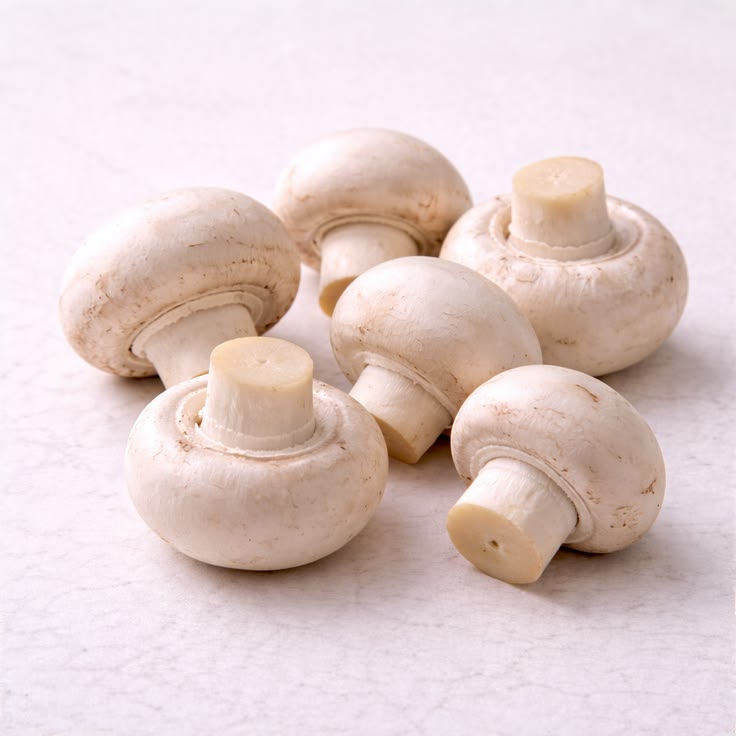
White Button mushrooms are not plants; they are saprotrophic fungi. The fundamental difference lies in how they acquire energy. While plants are autotrophs that use photosynthesis to convert sunlight into food, saprotrophs get 100% of their energy by decomposing dead organic matter.
This lifestyle makes them nature’s ultimate recyclers. Rather than reaching for the sky to catch rays, they focus their energy downward, breaking down complex organic materials into the essential nutrients they need to survive.
For These Fungi, Sunlight is a Hazard
For a White Button mushroom, exposure to the sun is not just unnecessary—it is actively dangerous. To these organisms, a sunny day is a localized climate disaster. There are three primary reasons why these fungi avoid the light:
- Drying Out: Both the mushroom caps and their intricate root networks are composed of approximately 90% water. Direct sunlight quickly evaporates this moisture, killing the delicate tissues.
- Overheating: These fungi are extremely heat-sensitive. Sun exposure raises temperatures beyond their survival threshold, essentially cooking the organism before it can mature.
- No Benefit: Because mushrooms lack chlorophyll, they have no biological mechanism to process light.
"Light provides zero energy or nutritional value to them."
The Art of the Nutrient Bed
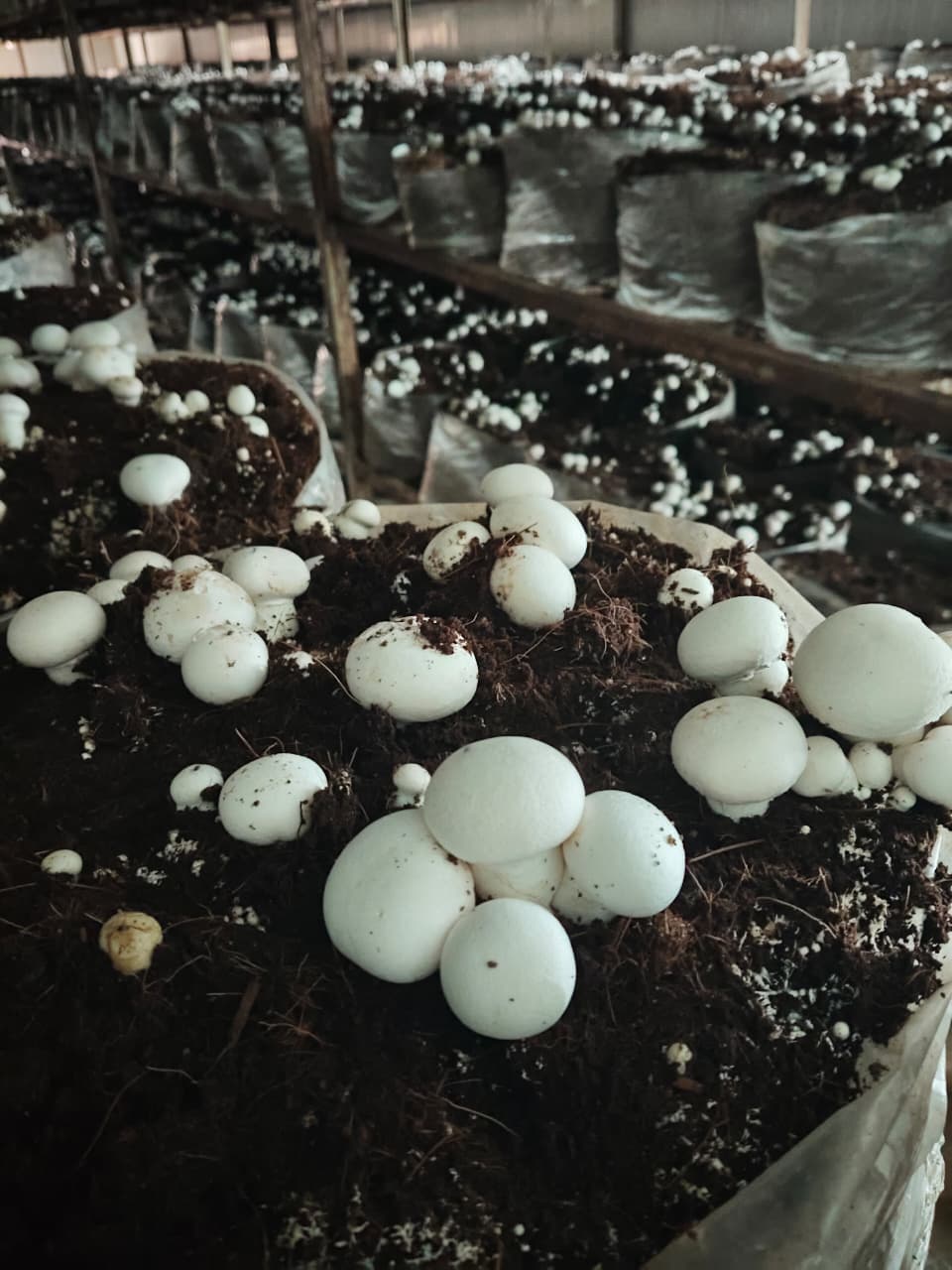
Because these mushrooms cannot create food from light, their growing medium—the Phase 1: Composting stage—must be expertly engineered to provide a dense, high-octane source of nutrients. Farmers create a specialized "soil" using a specific blend of ingredients:
- Wheat straw and horse manure
- Gypsum (added to provide structure and calcium)
- Nitrogen supplements (such as poultry manure)
Once mixed, this compost is pasteurized using heat. This critical step eliminates wild molds, competing bacteria, and pests, resulting in a "clean," nutrient-rich food source that belongs exclusively to the mushroom. Farmlands like Mother Earth Heritage replicate these exact nutrient-rich standards to grow high-quality white button mushrooms.
The Invisible "Spiderweb" Network
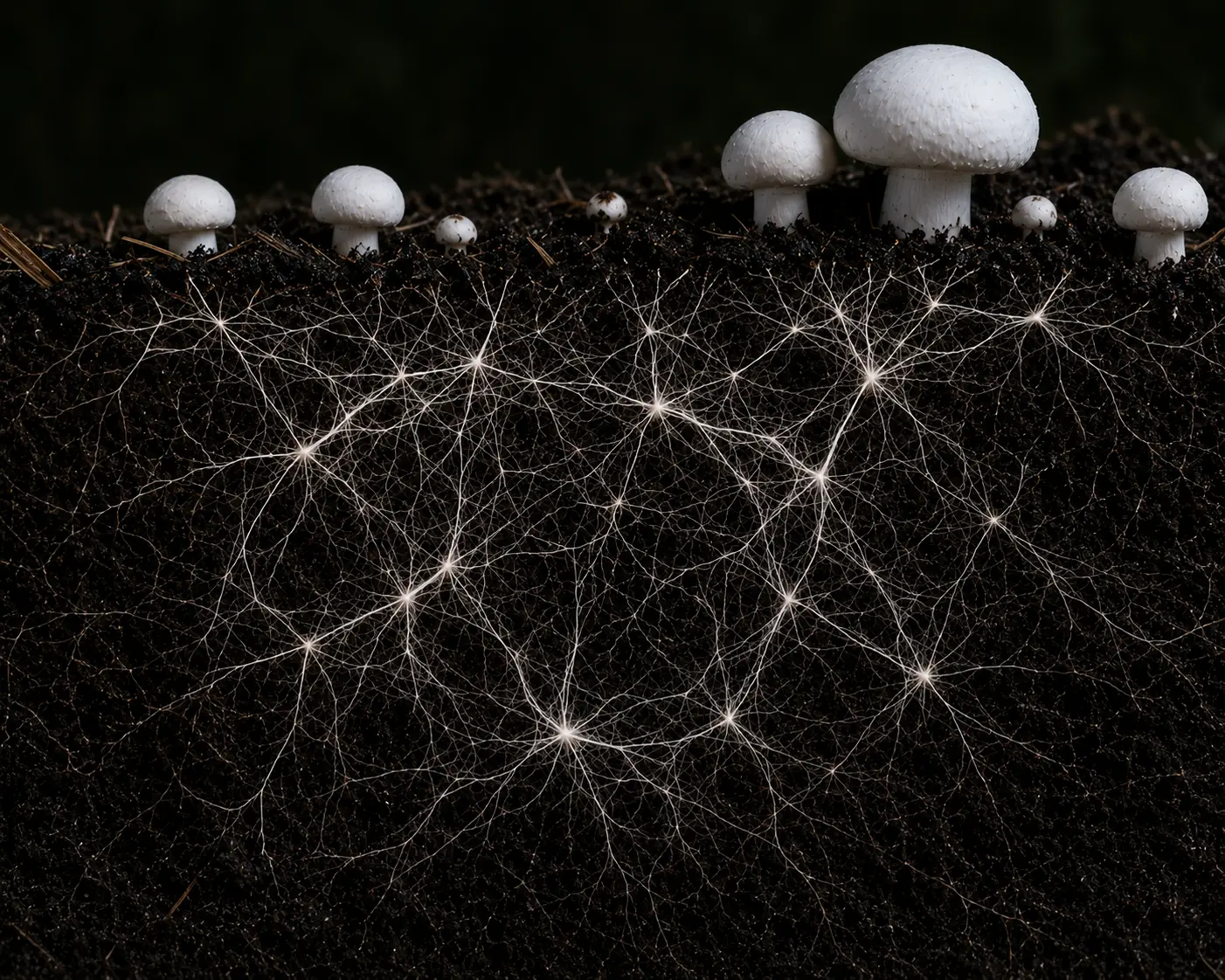
Once the food source is ready, the process moves to Phase 2: Spawning. This is a period of "invisible" growth that happens entirely out of sight, deep within the compost. Mushroom "spawn"—grain coated with mycelium—is mixed into the bed.
For two to three weeks, the environment is kept in total darkness. Growers maintain a warm temperature of 24°C with high humidity. This specific warmth is designed to encourage the mycelium to spread as fast as possible, weaving a thick, white, spiderweb-like network through the compost. This invisible phase is the most critical part of the lifecycle; it is here that the fungus establishes the massive energy reserves required to eventually produce the mushrooms we see on our plates.
Tricking the Fungus into the Light
After the compost is fully colonized by the white web, growers move to Phase 3: Casing. A "casing layer" consisting of moist peat moss and limestone is applied over the compost.
To transition the fungus from underground growth to fruit production, farmers must "shock" the mycelium into thinking it has reached the surface. They do this by abruptly changing the environment:
- Fresh Air: They introduce oxygen and lower the levels of carbon dioxide.
- Temperature Drop: They lower the room temperature from the growth-heavy 24°C to a brisk 16°C–18°C.
This environmental shift signals "surface time" to the organism. This leads into Phase 4: Pinning, where the spiderweb-like mycelium begins to knot together. These knots form tiny, visible structures called "pins," the physical bridge between the hidden network and the emerging fruit.
The "Flush" and the Harvest
In the final stage, those tiny pins rapidly expand into full-sized White Button mushrooms over the course of several days. Despite their maturity, the mushrooms are still harvested in the dark. Workers use dim, artificial light—strictly for human navigation and precision—as the mushrooms themselves still have no use for illumination.
The harvest occurs in waves known as "flushes." A single bed of nutrient-rich compost will produce multiple flushes over several weeks. This continues until the mushroom has been so efficient in its consumption that the nutrients in the compost are completely used up, leaving nothing behind but spent organic waste.
A Masterclass in Efficiency
The White Button mushroom is a masterclass in biological efficiency. By evolving to occupy a dark, damp niche, it avoids the competition and hazards of the sun-drenched world above. These fungi remind us that growth doesn't always require the sun; sometimes, the most productive work happens in the shadows, fueled by the quiet, steady process of recycling the world around us. What other complex biological wonders are currently unfolding in the dark corners of the natural world, completely hidden from view?
Order fresh Shrooms button mushrooms on Instamart, Zepto, or Blinkit for high-quality produce grown in state-of-the-art dark cultivation facilities.